House vote today on giving Donald Trump right to slap 100% levy over Russian oil buy
NEW DELHI: India could face an additional US tariff of up to 100% on its exports if a proposed US legislation empowering President Donald Trump to penalise countries buying Russian oil and gas becomes law. The US House of Representatives on Tuesday advanced a sweeping Russia sanctions bill that could give Trump the power to impose such tariffs on major buyers of Russian energy, such as India and China.
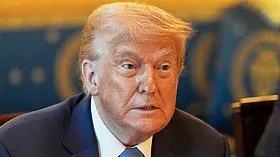
NEW DELHI: India could face an additional US tariff of up to 100% on its exports if a proposed US legislation empowering President Donald Trump to penalise countries buying Russian oil and gas becomes law.
The US House of Representatives on Tuesday advanced a sweeping Russia sanctions bill that could give Trump the power to impose such tariffs on major buyers of Russian energy, such as India and China.
The House voted 214-211 to advance the Lindsey O Graham Sanctioning Russia and Iran Act of 2026 , setting the stage for a final vote. The bill seeks to increase economic pressure on Russia over its war in Ukraine by targeting countries that continue to purchase Russian energy.
While India and China may not be explicitly named in the version currently under consideration, the proposed measure covers countries purchasing Russian oil and gas, putting major buyers such as India at risk of the additional tariff.
The legislation is particularly significant for India as it continues to negotiate a bilateral trade agreement with the US. The possibility of a tariff of up to 100% adds another layer of uncertainty to the ongoing trade negotiations.
Russia supplied 30.3% of India’s crude oil imports in FY26, worth $40.8 billion out of total crude imports of $134.7 billion, according to data cited by the Global Trade Research Initiative (GTRI). Russia accounted for an estimated 52% of India’s crude imports in July this year, up from 48.6% in June.
The proposed US measure does not automatically impose a 100% tariff. It would provide the President with the authority to impose additional tariffs on countries buying Russian oil, leaving the final decision with the US administration.
US Fed hikes key rate for first time in 3 years
The US Federal Reserve raised its benchmark interest rate by 25 basis points to a target range of 3.75%-4% in an effort to quell stubbornly high inflation.
This is the first increase since 2023 and could spur a sharp response from the White House as it comes weeks before the midterm elections.
The rate hike could result in higher borrowing costs for mortgages, auto loans, and credit cards. The Fed signalled it might hike rates again later this year, defying pressure from President Donald Trump to cut rates