What is a ‘super El Niño’ and how will it affect the weather?
A potentially record-strength El Niño could drive extreme heat, floods and droughts worldwide, with major risks to crops, food security and public health.
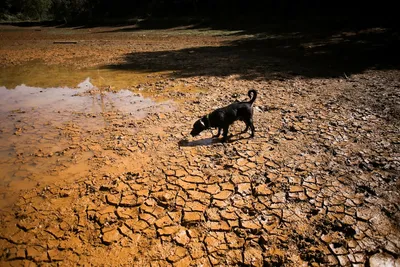
The El Niño weather pattern developing in the Pacific Oceancould be one of the strongest on record, with the potential to cause floods,droughts, extreme heat and crop losses across the world.
Thephenomenon, which the World Meteorological Organization expects to reach peakintensity by early 2027, could result in 451,000 excess deaths by February,the University of Chicago’s Climate Impact Lab said on Wednesday.
El Niñois the warm phase of the naturally occurring El Niño-Southern Oscillationcycle, a climate pattern that influences weather around the world.
It tendsto cause higher global temperatures and disrupt rainfall pattens across largeregions – meaning drought in some areas and heavy rains in others.
El Niñotypically occurs every two to seven years, when weakening trade winds result inwarmer waters in the eastern Pacific.
ElevatedPacific Ocean temperatures are the telltale sign that El Niño is forming.
Thismonth equatorial Pacific sea surface temperatures hit 3.05 degrees Celsius(5.49 Fahrenheit) above normal levels - the highest temperature anomaly for anyEl Niño since records began, and far above the0.5°C threshold for defining the phenomenon, data from the US National Oceanicand Atmospheric Administration, or NOAA, showed.
Thegovernment agency formally declared El Niño conditions had begun in June.
EquatorialPacific temperatures of 0.5°C above the norm constitute a weak El Niño, versus1.0°C for a moderate one, 1.5°C for a strong one, and 2.0°C for a very strongone, according to NOAA.
The WMOdoes not officially use the term super, but forecast this month that thedeveloping El Niño will intensify into “a very strong event” with significantimpacts on rainfall and temperatures.
The laststrong El Niño in 2023 to 2024, combined with climate change, pushed 2024 tobecome the planet’s hottest year on record. That year, Bolivia and Venezuelasuffered disastrous fires, torrential floods hit Nepal, Sudan and Spain, andheatwaves in Mexico and Saudi Arabia killed thousands.
Is El Nino linked to climatechange?
El Niñois a natural climate pattern and is not caused by climate change.
However,global warming can make El Niños more intense. Greenhouse gas emissions haveincreased the planet’s average temperature by around 1.4C since pre-industrialtimes.
That higherbaseline supercharges the effects of El Niño- enabling higher temperature spikes, more intense droughts, rains and theresulting disasters, including bushfires, floods and crop failures.
Somescientists have said the destruction likely from this year’s El Niño couldprovide a foretaste of extremes that will become the norm in the coming decadeseven without an El Niño, as a result of human-caused global warming.
Thecombination of climate change and El Niño has led the WMO to warn that 2027could be the hottest year since records began.
Of the451,000 excess heat-related deaths that the coming El Niño could cause, Nigeria is expected to suffer31,400, followed by Indonesia with 19,300 and Sudan with 17,600, the ClimateImpact Lab said.
Emergencyresponse efforts, including early warning systems and protection for outdoorworkers, could save tens of thousands of these lives, the researchers said.
Typically,regions such as southern South America and parts of Central Asia get more rainin an El Niño, which can trigger disastrous flooding. In 2024,floods in Rio Grande do Sul in Brazil killed more than 180 people and displaced600,000.
SouthernAfrica, Central America and Australia tend to dry out, with potentially severeconsequences for crop yields and energy production from hydropower. Riceexporters expect the harvest in India, the world’s top producer, to declinethis year by the most since 2009 to 2010, when an El Niño-induceddrought curtailed production.
Nearly50 million people are at risk of acute hunger by the end of 2027 as a resultof the developing El Nino, with southern Africa and South America among theworst-hit regions, according to U.N. World Food Programme forecasts.
El Niñoalso intensifies heatwaves, including in regions far from the Pacific, such asEurope, and tends to increase hurricane activity in the central and easternPacific ocean.