Chidambaram, Gogoi among 5 Congress MPs on panel that backed UPI MDR: BJP
The BJP has questioned Rahul Gandhi's opposition to the new UPI MDR framework, pointing to a Parliamentary Standing Committee report supported by five Congress MPs that recommended a tiered revenue model for UPI.
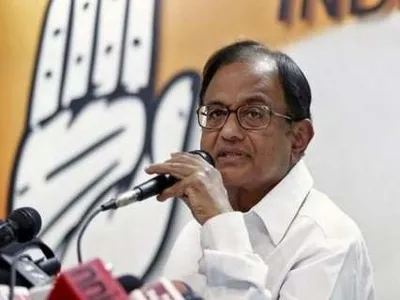
The BJP has questioned Rahul Gandhi’s opposition to the new UPI MDR framework, pointing to a Parliamentary Standing Committee report supported by five Congress MPs that recommended a tiered revenue model for UPI.
Updated : Sep 17, 2026, 08:58 AM IST
The political debate over the Centre’s new Merchant Discount Rate (MDR) framework for UPI payments has intensified, with the BJP questioning Rahul Gandhi’s opposition to the move.
BJP sources have pointed to a Parliamentary Standing Committee on Finance report that recommended a tiered revenue model for the UPI ecosystem. Five Congress MPs — former Finance Minister P Chidambaram, Manish Tewari, Gaurav Gogoi, Kishori Lal and K Gopinath — were members of the panel and were present when the report was adopted on August 12. No dissent was recorded in the published minutes, according to the report and documents cited by India Today.
The BJP has questioned why Gandhi is opposing the framework while Congress MPs were part of the committee that recommended such a revenue mechanism.
What did the Parliamentary panel recommend?
The committee recommended a calibrated, tiered MDR or revenue structure for UPI, particularly for high-value transactions. It also called for the framework to be notified and implemented without delay. The panel highlighted the gap between the government’s Rs 2,000 crore budgetary allocation for the UPI ecosystem and the industry’s estimated operational cost of around Rs 20,700 crore.
According to the committee, continued dependence on subsidies could affect spending on areas such as cybersecurity, fraud prevention and digital payment infrastructure.
The panel also asked the Department of Financial Services to explore a self-reliant revenue model along with the existing multi-year incentive scheme and cashback measures supporting digital payments.
Panel focused on high-value UPI transactions
The committee’s recommendation was not for a blanket fee on every UPI payment. Instead, it backed a tiered structure, particularly for higher-value transactions, while continuing measures to promote digital payments in smaller cities.
The report also noted that government incentives for RuPay debit cards and low-value BHIM-UPI transactions were designed to compensate the ecosystem for costs linked to the zero-MDR policy.
The panel said a sustainable revenue mechanism was important to reduce the UPI ecosystem’s dependence on government funding and prevent continued pressure on the public exchequer.
Rahul Gandhi calls new framework ‘UPI tax’
The issue has come into focus after Rahul Gandhi demanded the withdrawal of the Centre’s new MDR framework, describing it as a “UPI tax”.
Under the new framework, a 0.4 per cent MDR applies to specified merchant UPI transactions above Rs 2,000. The government has said the charge will not be passed on to consumers.
Gandhi has also alleged that the move would benefit US companies and has linked it to alleged foreign pressure. The Centre has rejected those allegations, saying India’s UPI policy decisions were taken independently.
The Finance Ministry has clarified that MDR is neither a tax nor a charge collected by the government or NPCI.
The ministry said the fee would be distributed among participants in the payment ecosystem, including banks and payment application providers, to support the operation and expansion of UPI. It has also said customers will continue to use UPI without being charged directly.
The government has rejected claims that the new framework was introduced because of foreign influence, saying the objective is to create a self-sustaining and affordable digital payments ecosystem.
Political dispute centres on the committee report
The Parliamentary committee’s earlier recommendation has now become part of the political debate over the new UPI framework.
While the BJP is citing the participation of five Congress MPs in the committee and the absence of recorded dissent when the report was adopted, Rahul Gandhi and the Congress have opposed the Centre’s current MDR framework and demanded its rollback. The committee report itself recommended a tiered revenue mechanism rather than a blanket charge on all UPI transactions.