The CEC must go and it’s time to abandon SIR
Investigative reports in the media exposing serious discrepancies in the functioning of the Election Commission of India (ECI) make the tenure of the Chief Election Commissioner (CEC) Gyanensh Kumar untenable, and the Special Intensive Revision (SIR) of electoral rolls, the ECI’s main preoccupation over the past 15 months, an illegal exercise. The Commission has been criticised in the past for its actions, but this week’s revelations are of a different order.
Investigative reports in the media exposing serious discrepancies in the functioning of the Election Commission of India (ECI) make the tenure of the Chief Election Commissioner (CEC) Gyanensh Kumar untenable, and the Special Intensive Revision (SIR) of electoral rolls, the ECI’s main preoccupation over the past 15 months, an illegal exercise. The Commission has been criticised in the past for its actions, but this week’s revelations are of a different order. The Indian Express has reported that many contentious decisions of the ECI did not follow due process and were implemented by the CEC without involving the other election commissioners. Over 10 months, election commissioners Sukhbir Singh Sandhu and Vivek Joshi recorded at least 14 formal notes of dissent against the CEC’s decisions; four of them came on a single day.
The issues raised by the two commissioners are serious. They relate to important functions of the ECI involving registration and deletion of voters, restoration of names on the voter lists, the prescribed format of Form 6 to be submitted by new voters, appeals in cases about deletion or addition of voters, and control over the digital architecture of the rolls. Form 6 was altered, requiring applicants to declare whether they or their parents were recorded on the previous SIR roll. This should have been done only after amending the existing rules. Both Sandhu and Joshi noted that this alteration was illegal and wanted it revoked. ECI rules demand that its decisions be taken by consensus or by the majority of the members. The CEC is only the first among equals. Objections raised by two commissioners make the decision illegal, rendering all applications done on the amended Form 6 invalid.
Joshi’s concerns about ECINet becoming a centralised system controlled by the ECI’s office are significant. The state-level Electoral Registration Officer (ERO) is the statutory authority for additions, deletions, and corrections in the voter list. The two commissioners repeatedly sought safeguards against the centralised model of functioning, including an independent technical audit of the system. In Goa, 97 people were reportedly found eligible by their EROs, but the software did not permit their restoration. In West Bengal, 38.31 lakh appeals were filed before tribunals; 22.21 lakh of these were filed by those whose names were deleted, while 16.1 lakh were reportedly filed by the ECI seeking the deletion of voters. Notably, even the two commissioners were unable to find who authorised the appeals on the ECI’s behalf.
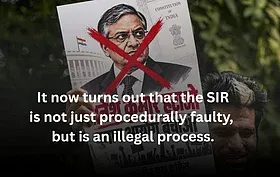
The reports reveal that the CEC took arbitrary decisions without consulting the other commissioners and ignored their reservations and objections. They point to a larger plan and deliberate execution. The SIR has been under scrutiny over its exclusion of millions from the electoral rolls. A significant section of the disenfranchised belongs to weaker and marginalised communities, including the minorities and Dalits. Elections were held in many states based on the revised lists, and serious complaints have been raised about the revision affecting the electoral process and possibly the poll outcomes. It now turns out that the SIR is not just procedurally faulty, but is an illegal process. In light of the revelations, the SIR should be scrapped in states where it has been conducted, and all procedures associated with the exercise should be discontinued. The SIR, as currently implemented, is fundamentally wrong because it is built on an exclusionary idea, while the Commission should have aimed for greater voter inclusion. The elections held with the revised voter lists have now come under a cloud.
It may be argued that the two commissioners could have gone public with their reservations. They did write about the situation to the Cabinet Secretary, who has no authority to intervene in the functioning of the ECI, which is an independent constitutional body. However, it is to their credit that they recorded their views and objections to what they saw as clear violations of the Commission’s procedural integrity. It is their dissent that has eventually validated long-held apprehensions about the undemocratic exercise.
The ECI has issued a response that is misleading and unconvincing. It has claimed that differences of opinion and dissent are normal in the Commission, and all final decisions were unanimous. It also said the written notes from the two commissioners were part of the system's checks and balances. This is not borne out by the contents of the notes, the way the two commissioners articulated their differences, and the larger circumstances in which they should be seen. That the explanation came from an unnamed official in the Commission, rather than the CEC, is important.
A demand for the CEC’s impeachment has been raised again. It will not happen. He should resign. The Supreme Court of India must ensure that his actions are thoroughly examined and the illegal deletions and additions are audited. The Court has failed in the past in keeping the ECI on the right path. It made observations and asked many questions, but ultimately failed in halting the Commission on its illegal course. The revelations are enough for quashing many of the Commission’s actions and a severe reprimand of its chief. Last year, Gyanesh Kumar told the Leader of the Opposition, Rahul Gandhi, to apologise to the nation over the latter’s charges against the Commission. Now, it is for him and those who appointed and kept him in his position to apologise to the nation for the damage they have caused to the institution, its credibility, and to democracy.